





An original Ercol cowhorn chair from the 1960’s the ideal desk chair in very good original condition and has been well cared for to give many more decades of use. Shop now
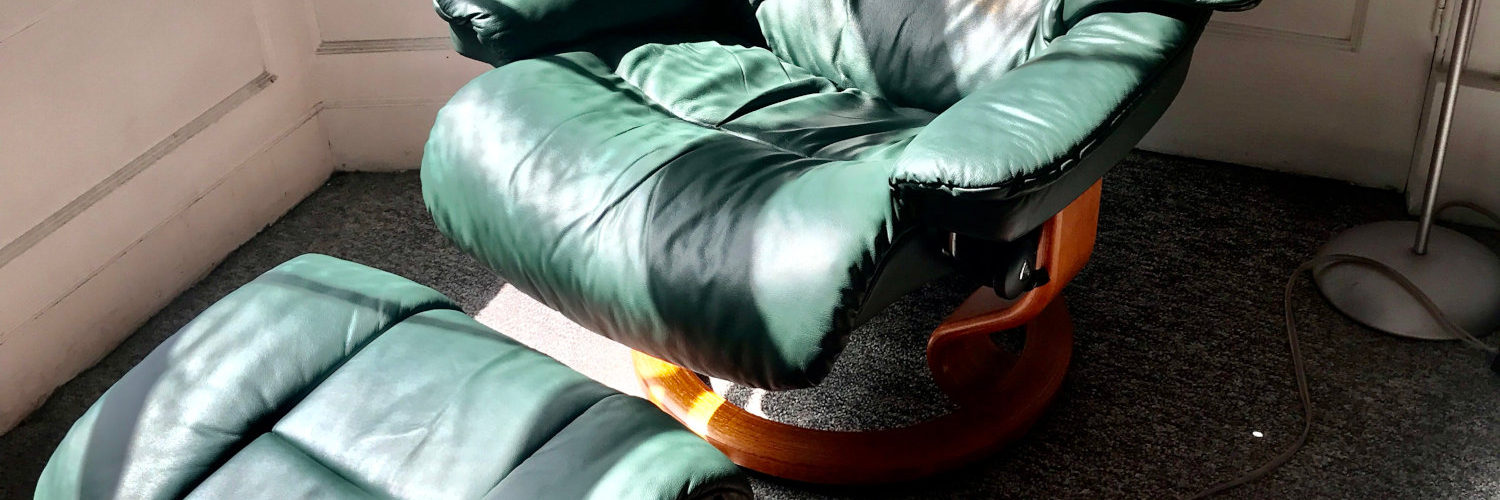
A beautiful Stressless Ekornes leather armchair in new condition is ready for a new buyer. Quite simply the best made chairs in Europe made to last and designed for comfort. Buy Online
An Ercol corner cabinet in elm with glass front. This is a very practicle display and storage cabinet which will look beautiful in any setting. The quality is as always the best, and one would expect no less from the leading quality furniture maker in the UK. The […]
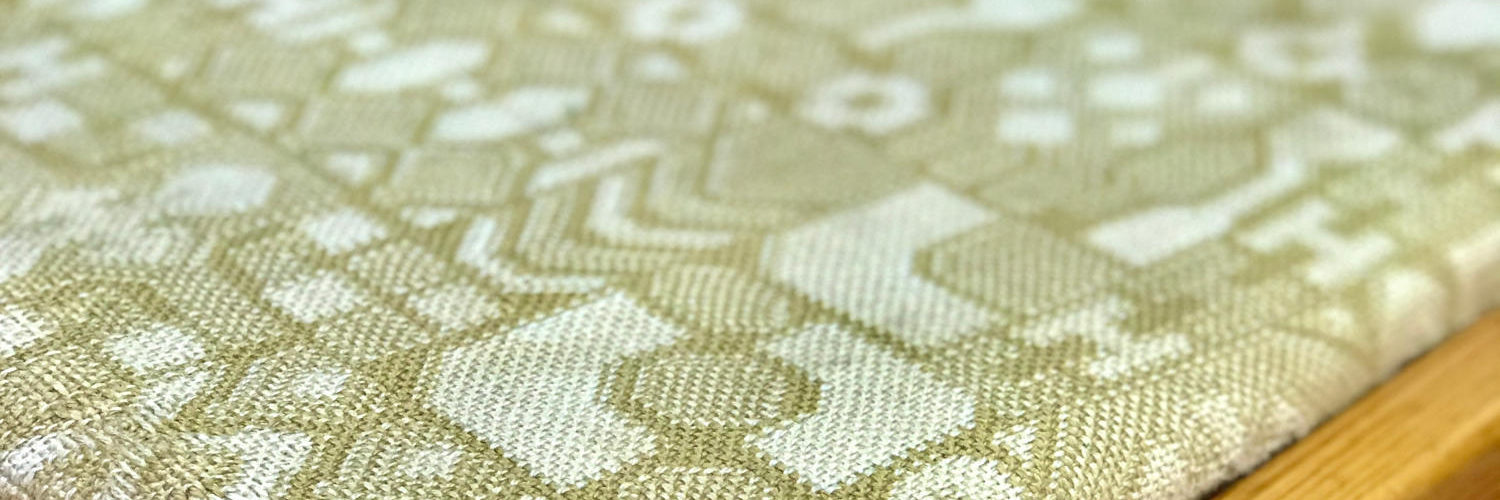
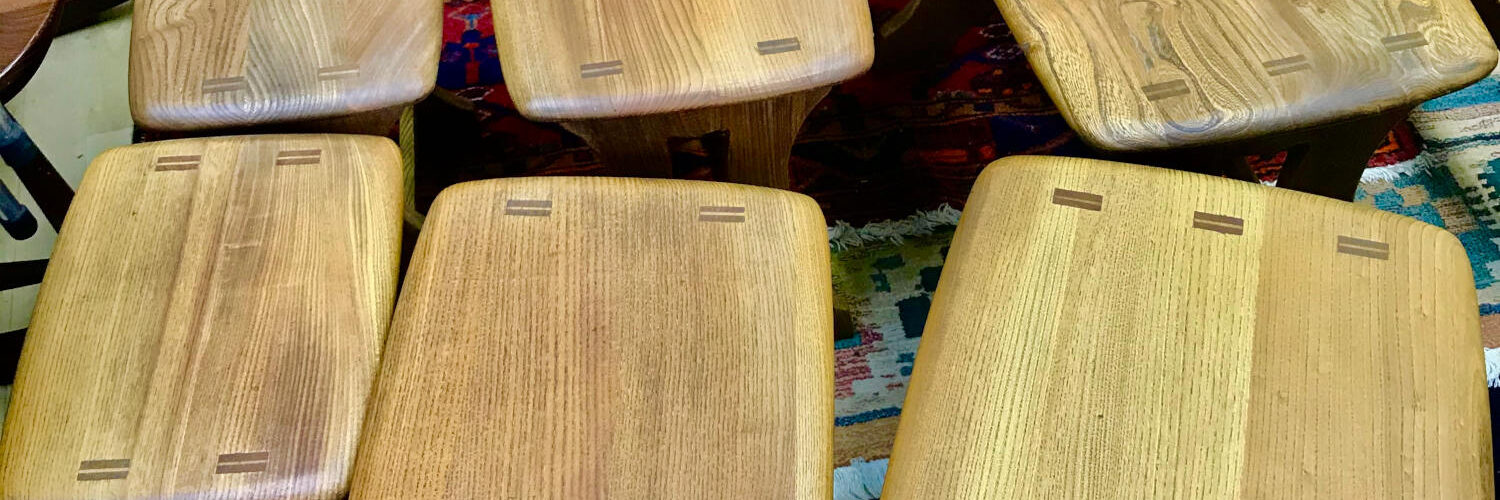
A set of beautifully crafted Ercol chairs from circa 1995 every angle designed to make a comfortable chair and also looks stylish with the simple shaker look. Lightweight, strong, comfortable and practical each weighing 3.5kg these come with dry cleaned cushion covers in a neutral complimentary design. All chairs […]
A very fine example of English ceramic at its peak. This bowl features two peacocks surrounded by a very fine gold pattern detailed border. It is more of a showcase for the art of fine ceramic art and as such this is one of their best examples. Buy Online
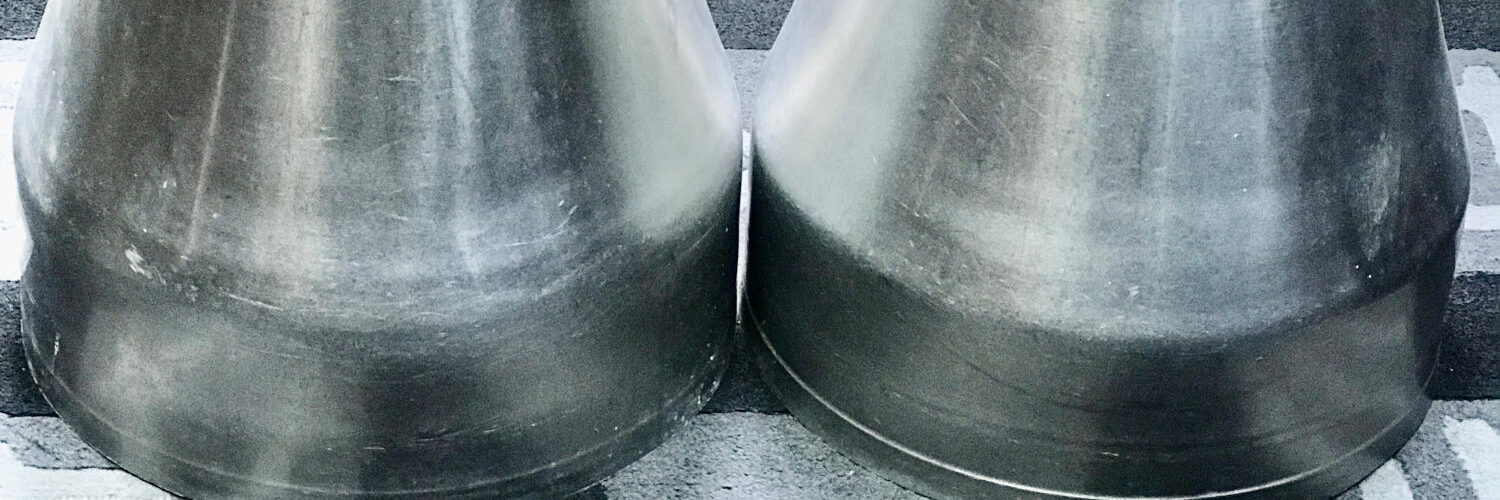
A pair of stainless steel milk urns from the 1950’s and can now be used for a variety of purposes including planters used indoor our outdoors all year round. Made of food quality stainless steel and made to last a lifetime and not deteriorate. They only need a gentle clean […]
A small ercol coffee table in a rich dark colour to show off the grain of the elm construction. It folds away into a narrow profile of W 18cm x H 45cm x L 69cm and fold out to 100cm x 70cm . It is a good solution to saving […]
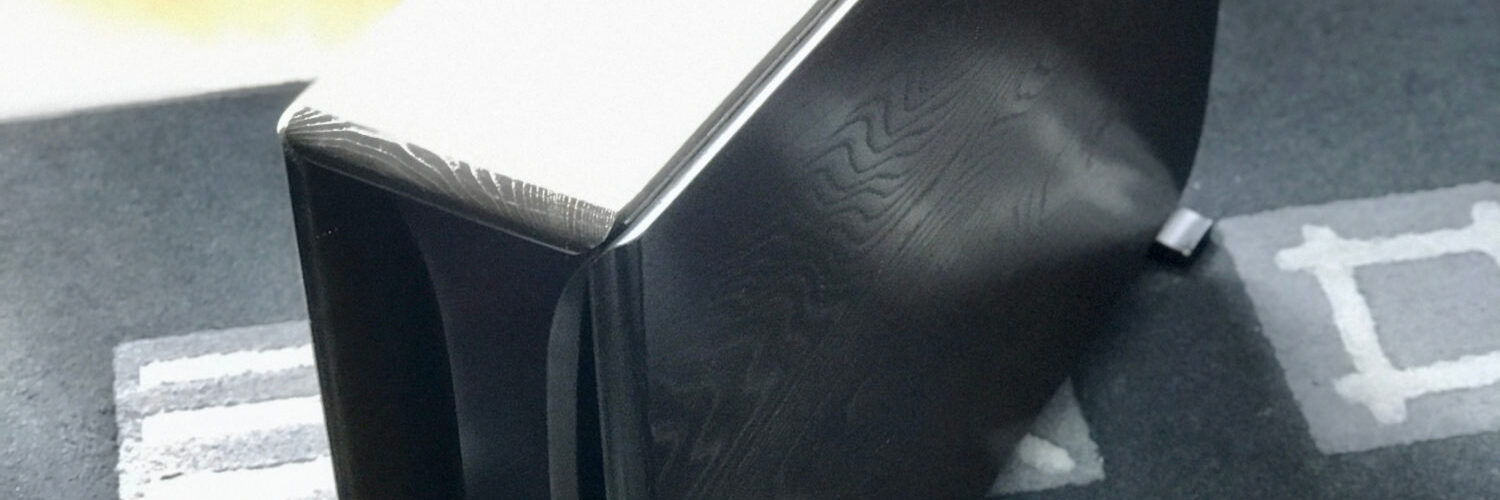
This is the popular modern version of the pandoas box updated for everyday use and built to last for life. It is made from elm throughout with a thick safety glass top for practical use it measures L102cm W795cm H42cm. No need to worry about coffee cups or spills. Easily […]
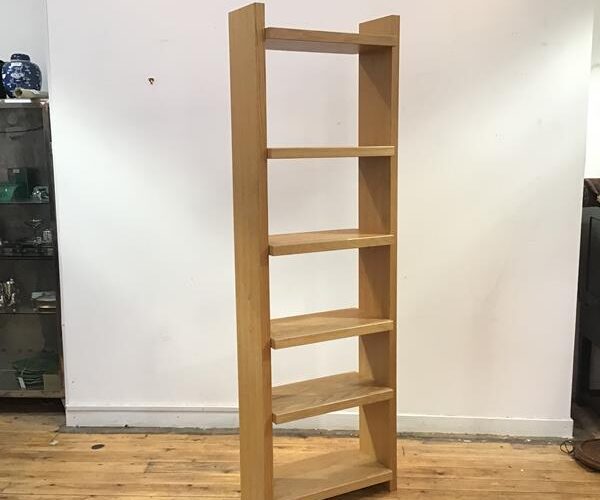
It’s time to get your vinyl collection organised but there is little about which will support the weight of dozens of albums. This Italian bookcase display unit is perfect for the task. It is made from sturdy planks and looks great all shelves can be adjusted to accommodate any size […]
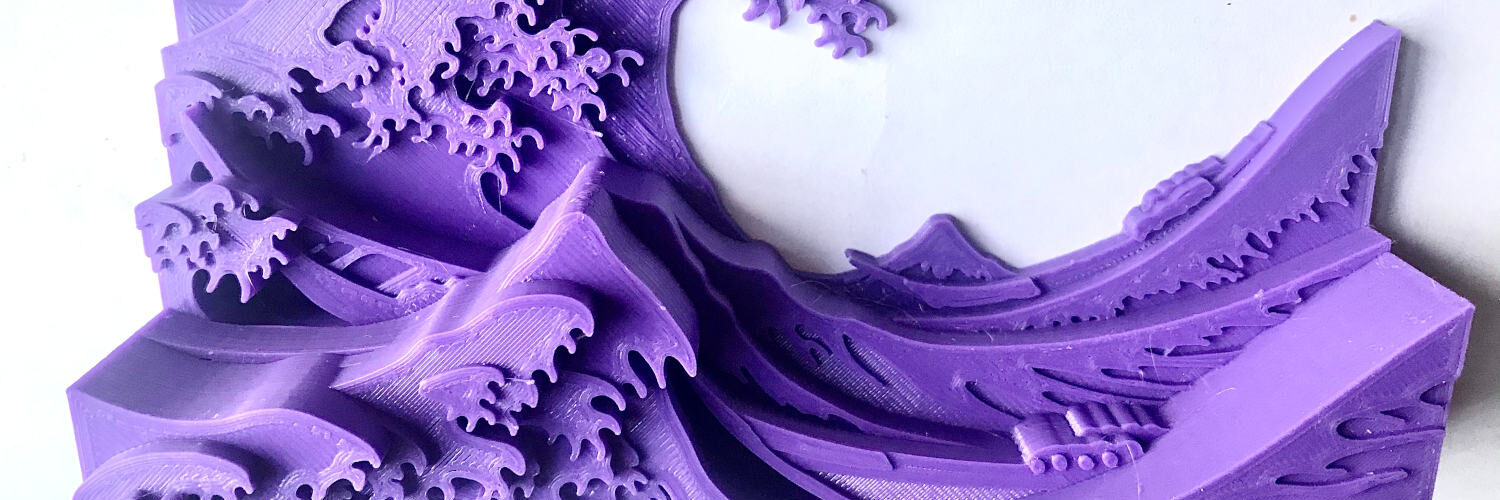
Katsushika Hokasai 1760 – 1849 was an artist, wood block print artist and made the great wave of Kanagawa in 1830 Japan It is instantly recognised as the wave. Hokasai was famous in Japan and Europe where he influenced the impressionist movement. This is a limited edition of a 3d […]
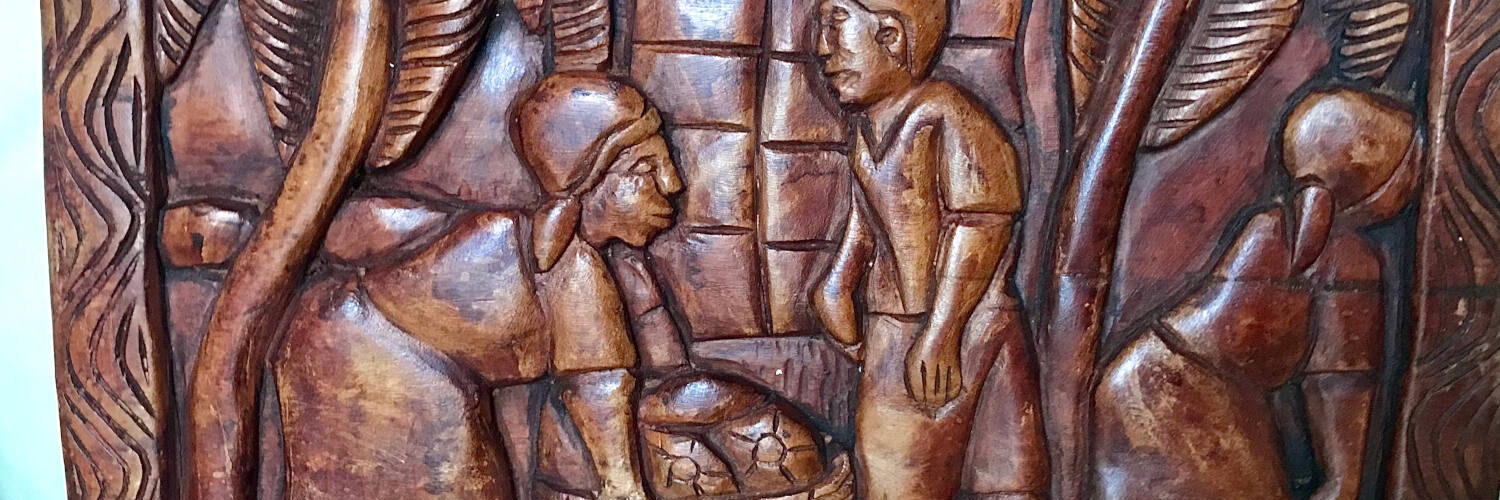
A picture carved in wood approx 44 x 37 cm probably 19650’s to 1960’s the board has been hand finished on the rear with an adze and there are two unknown initials. More likely to be a tourist article but now very collectible. Buy Online
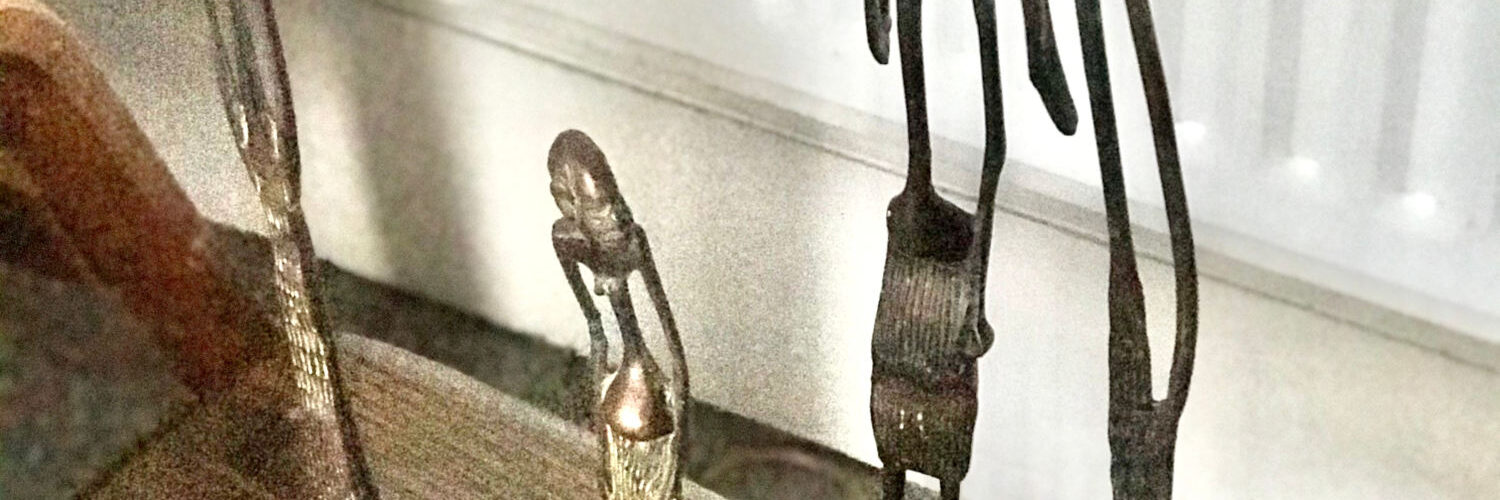
We have a number of very fine African bronze sculptures depicting figures who are long and thin their significance and origin is not clear but it may be linked to a depiction of a figure who is a rain bringer. Alberto Giacometti the Swiss artist copied these figures and put […]
The ever popular Ercol Pandoras box in pristine condition. This is the colour which suits every other colour in your home it has the rich beautiful grain of solid elm wood and works with light or dark furniture. These were designed as the perfect coffee table with a practical function […]
Ercol made furniture to last using elm ash or oak and using mechanical joints which require no glue and therefore last a lifetime. The nest of tables is a versatile addition to a living room and each of these tables will bear the weight of a heavy adult without a […]

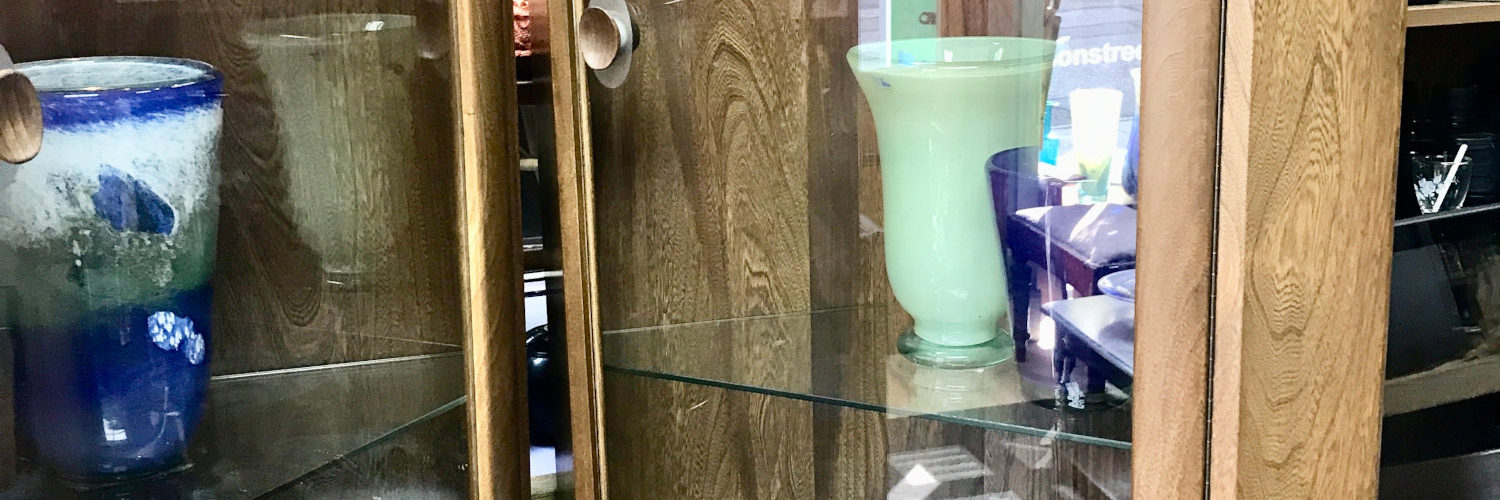
A new range of the most exquisite hand made unique glass shapes for decoration or practical uses come and pick the one you want before it’s gone.

From the Tim Stead workshop a matched pair of burr elm coffee tables made by Ross Purves in 2010 . All products made by Ross Purves are commissioned pieces and are highly collectable and these tables are made from a large single piece of elm tree and as such are […]

Italian stylish coffee table will look great in any setting as a distinctive elegant piece of furniture Shop online £250 delivered

A fine example of a Korean built PRS guitar which is a versatile workhorse guitar built to withstand the rigors of the road. Excellent quality in every aspect of the build and electronics. If you need a guitar which does everything an electric guitar should this is perfect. Currently in […]

One of the original smaller rocking chairs more suitable for children or slim adults compact and cute. Natural oil finish elm seat, beech chassis.

Mantle piece lamps for those subdued winter evenings when the shutters are closed and you need a warm glow to pretend it is warm inside. Actually they look just great and will never be out of fashion no matter how long you have them. These are in good condition fully […]

we have an exquisite collection of wonderful Scandinavian art glass which just loves light in all its forms. Its enduring and beautiful our shop is full of interesting and dynamic pieces each one original and different. Plate Yellow Blue

The Ercol chair has been around now for over 70 years. Its construction is based on traditional methods and skills, to make a chair which is both elegant and very strong. The base of the chair is made from planked elm and the legs, back struts and arm supports are […]

The lovely Chairmaker’s chair is based on the 16th century Windsor chair. This classic design really has stood the test of time and Ercol still make this special chair today by hand, in the traditional manner. A fusion of ancient skill and modern style, elm and beech used in the […]

This dark oak corner wall cabinet measures H 60cm x W 66cm x D 40 cm and has three internal shelves. The door comprises of two decorative panels, relief carved with a linen fold motif. This decorative element was first introduced from Flanders in the 14th century and the motif […]

Ercol lamp table from circa 2000. The table is made from Elm finished with light straw colour. It has an inset beveled glass top and measures L 50cn x W 50cm x H 50cm. The table is in excellent condition and available now. Shop Online £225.00 Please contact us for […]

A pair of Ercol Trinity side tables in elm. Dimensions are L 45 W 37 H 37 cm. The tables are in very good condition and can be viewed at the Edinburgh shop.

A very stylish 1960’s suitcase made by Samsonite for the first class traveler. It now seems obvious that wheels are added to luggage but this one is for carrying. Ideal for keeping documents dry as it has a sealed close fitting lid and will float.

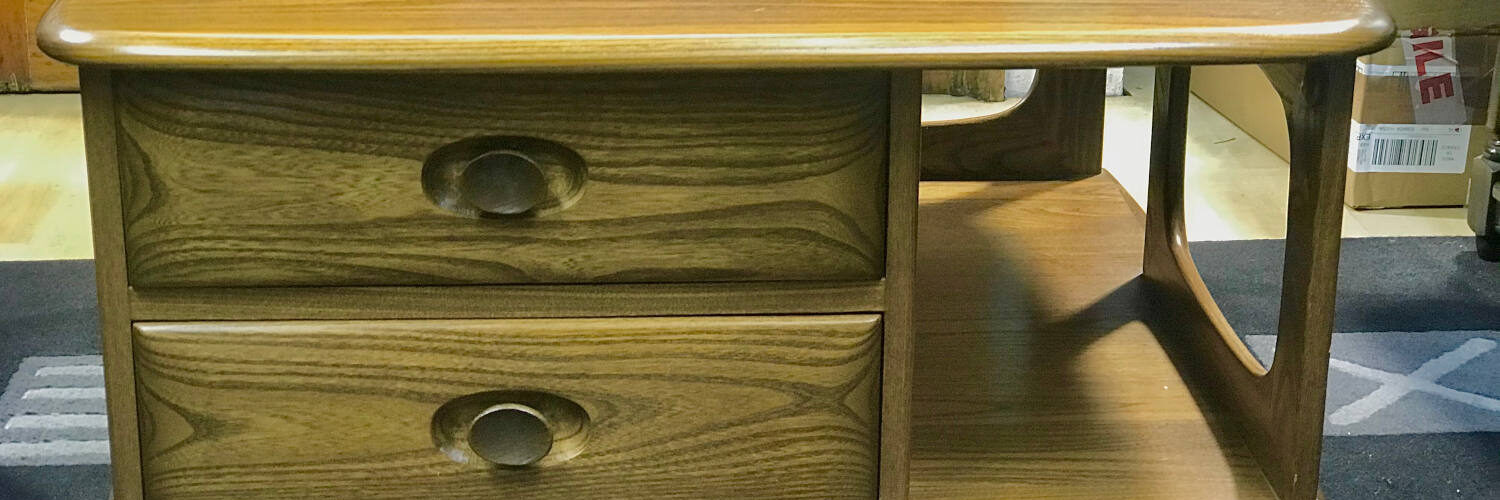
This is an Ercol cabinet made from elm with many uses far from its original design as a television cabinet. Ercol media station cabinet drawer folds down to reveal a sliding tray capable of holding any type of electronic stuff as long as it is less than 48 cm […]

A beautiful Scandinavian sky blue and cloud glass vase reflecting early morning cool light. This is one of many unique pieces from our glass collection vases plates bowls and many showstopper centre pieces.